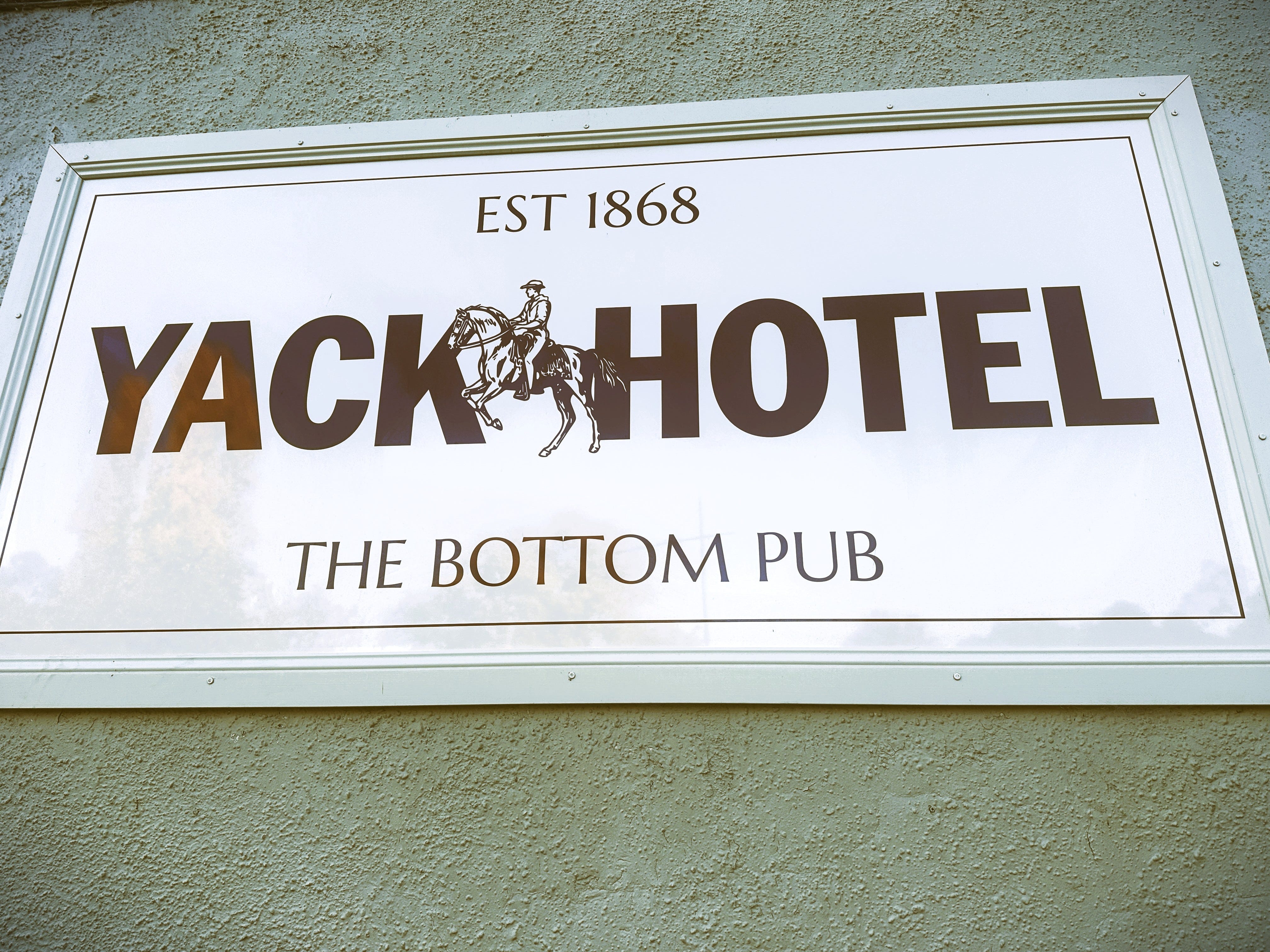
The pub at the bottom of the street…owned by 4 young hospitality folks who moved out from Melbourne.
Yackandandah. How can you not like the name of this town?
Say it as it’s spelled.
Take A Step Outside My Inside is a reader-supported publication. To receive new posts and support my work, consider becoming a free or paid subscriber.
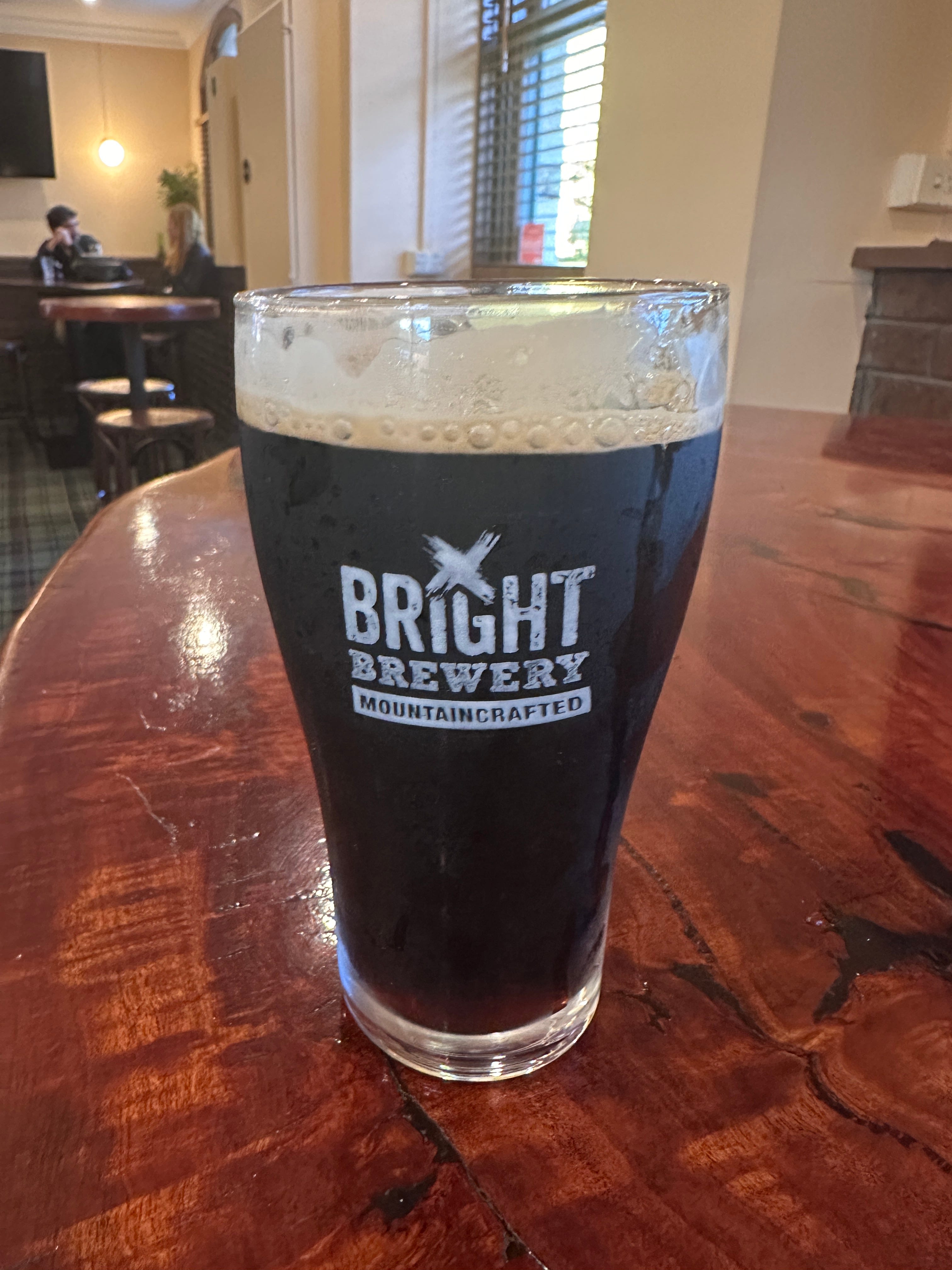
Staircase Porter From The Bright Brewery….Yumsville
The Waywurru (Waveroo) people are the Traditional Custodians of the middle Ovens Valley and Lower Kiewa Valley. Their country extends from Benalla and Glenrowan down to Barjarg, across to Oxley and the King Valley, along the Ovens River from Wangaratta to Whorouly, up to Beechworth and Mount Pilot, across to Mudgegonga and the Yackandandah Valley, and over to the Kiewa Valley from Gundowring to Wodonga, Tangambalanga, Mount Murramurrangbong and the Baranduda Ranges.
Before European contact, the Waywurru had strong social and kinship connections, as well as diplomatic and trading relations with other groups. These included those from the mountainous country of the Dhudhuroa peoples and alpine groups such as the Wolgalu on on the western slopes of the Snowy Mountains and the Yaitmathang of Omeo. Waywurru people also had close kinship and ceremonial connections with the Taungurung and Woiwurrung (Wurrunjeri) peoples, including those from Mansfield to as far away as the Yarra Valley and Dandenong Ranges.
When European over-landers invaded the Port Philip district (Victoria) in the late 1830s, the path they followed ran though Waywurru lands. Pastoralists who took up land along the middle Ovens River Valley, such as George Faithfull of Oxley, William Bowman of Everton, and George Edward McKay of Whorouly, encouraged their convict servants to shoot Waywurru people. Mass poisonings with ‘sweet damper’ made from arsenic-laced flour, also took place. Some Waywurru warriors resisted the invasion of their lands, spearing sheep and cattle, and also killing stockmen and removing their kidney fat. This ‘caul fat’ (kidney fat) was considered a powerful ingredient to be used in sorcery, either by being consumed or rubbed over their bodies. The ritual process of removing the caul fat was known as ‘buckeening’. The fight may have finally come to an end when Faithfull and his stockmen massacred more than two hundred men, women and children, on the King River above Oxley in the early 1840s, leaving their bodies strewn along the river.
Waywurru survivors of the Frontier Wars did their best to maintain their traditional seasonal movement around their country for as long as they could manage, even continuing to hold corroborees well into the 1880s. Some worked as household servants and as station labourers. Aboriginal ration depots were established at Barnawartha, Tarrawingee, and Yackandandah. In the 1860s, the government established a 640-acre ‘Aboriginal Reserve’ on the ancient hunting and fishing grounds at Tangambalanga.
When the Tangambalanga Reserve was closed in the early 1870s, government officials swept up as many Waywurru children as they could, and took them to Coranderrk reserve at Healesville. The remaining Waywurru people sought solace at a reserve at Lake Moodemere, near Wahgunyah. While some parents of those children taken to Coranderrk reserve chose to follow, other community members stayed ‘on country’ until the end of their days, maintaining regular camps along the rivers at places like Oxley and Markwood, as well as other familiar places like Tangambalanga. (https://waywurruwomenscollective.com/)
https://open.qobuz.com/playlist/64217278 This is the Qobuz Playlist Link….if you have not switched YET….let me know if you need help. I can walk you through it for a six of Affogato Stout from the Bright Brewery…or a smile. Q pays the artists MORE MONEY! And the sound is the best.
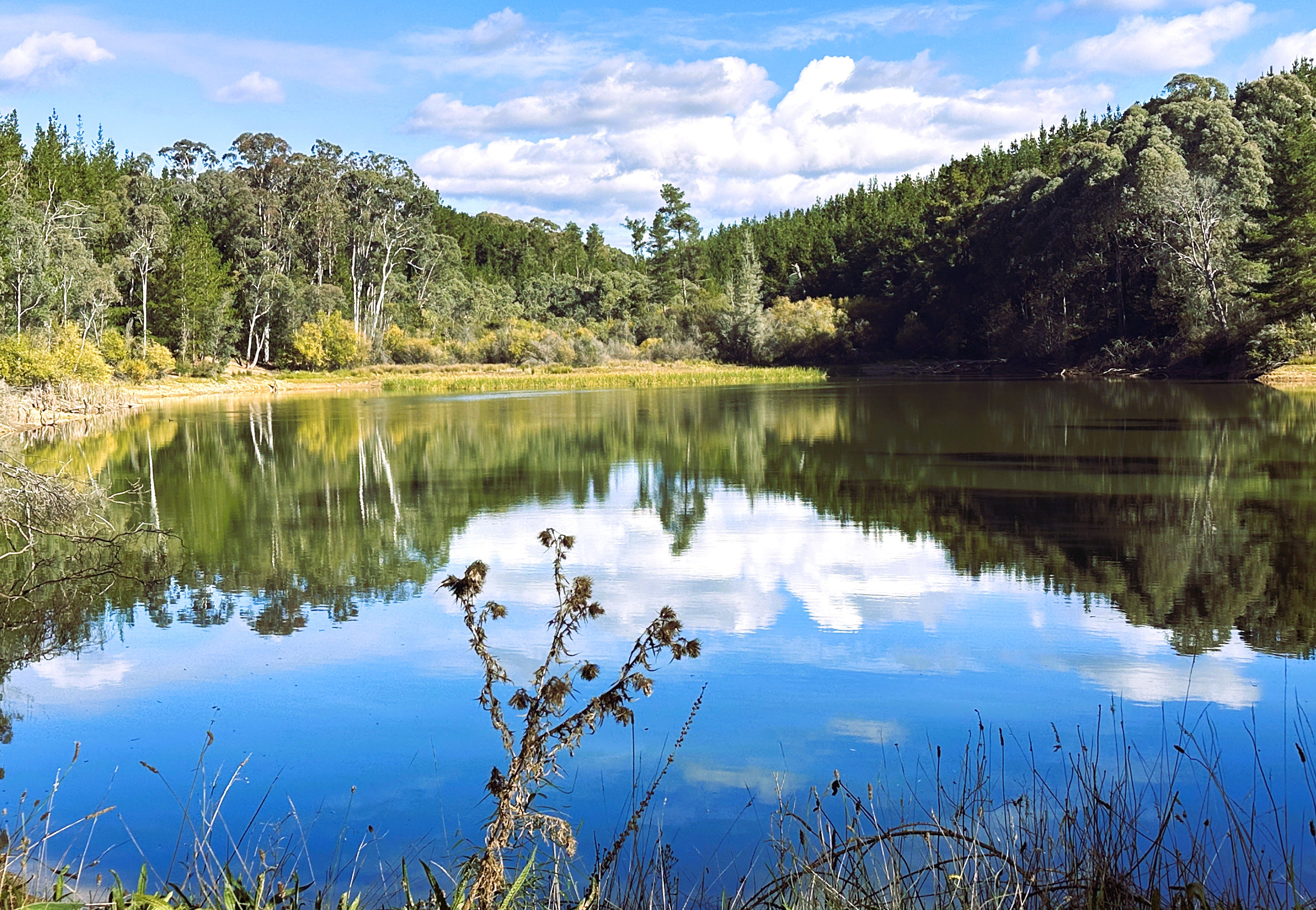
The town’s name means ‘one boulder on top of another at the junction of two creeks”. Yackandandah Creek and Commissioner Creek meet in town.
Very special land. Spiritual land. Gorgeous country.
Gold was discovered here in 1845 and that brought all the troubles that a gold rush can bring.
Yack, as it is called now. An old gold mining town. Now a tourist town with good food, music and people. 2000 people in the neighbourhood. Reminds me of New England USA, and we are just around the corner from the Australian Alps.
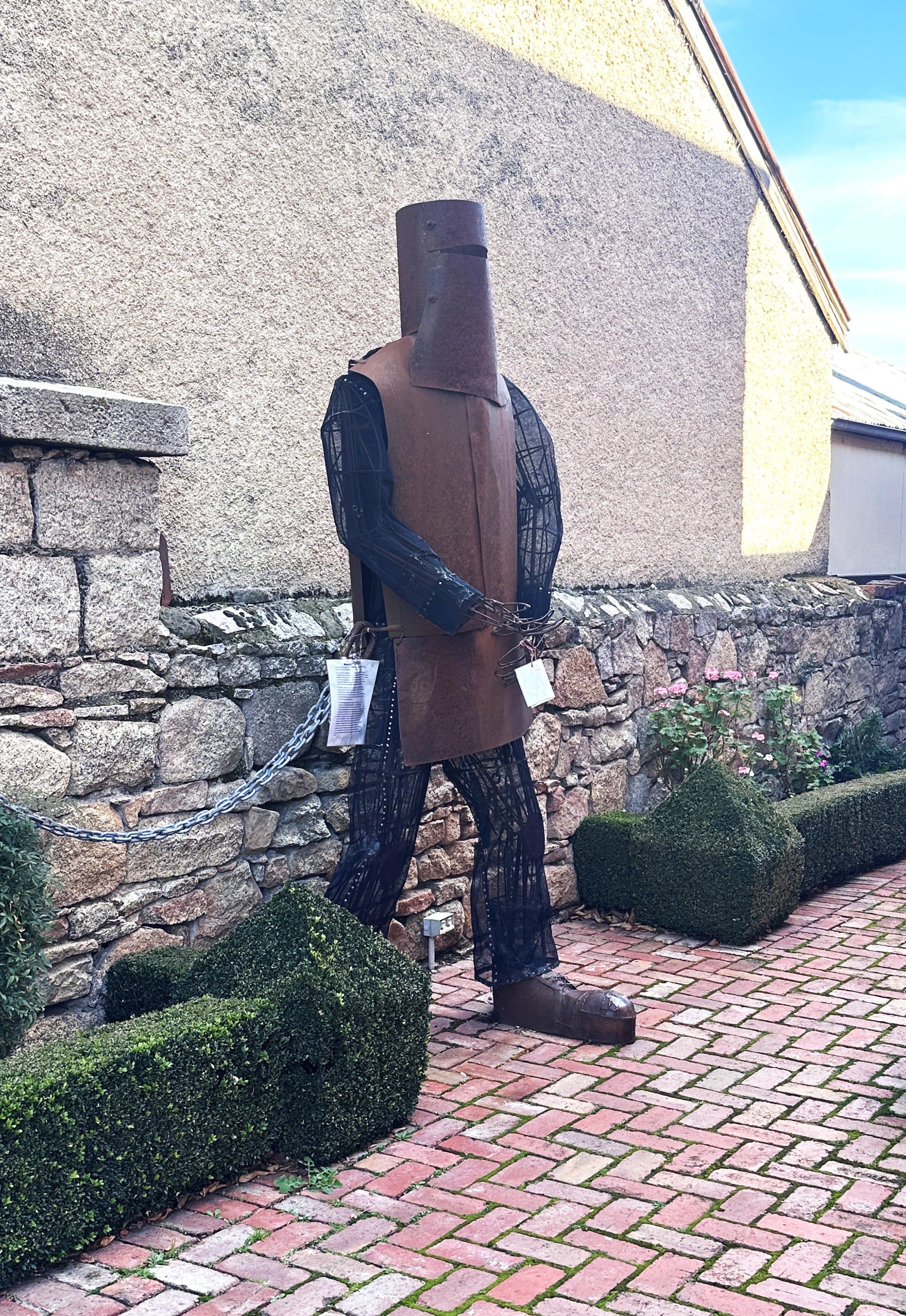
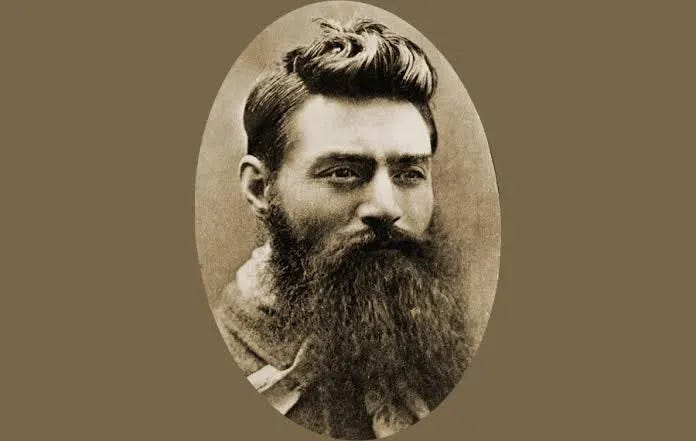
Supposedly, Ned’s last words before he was hanged were ‘such is life’.
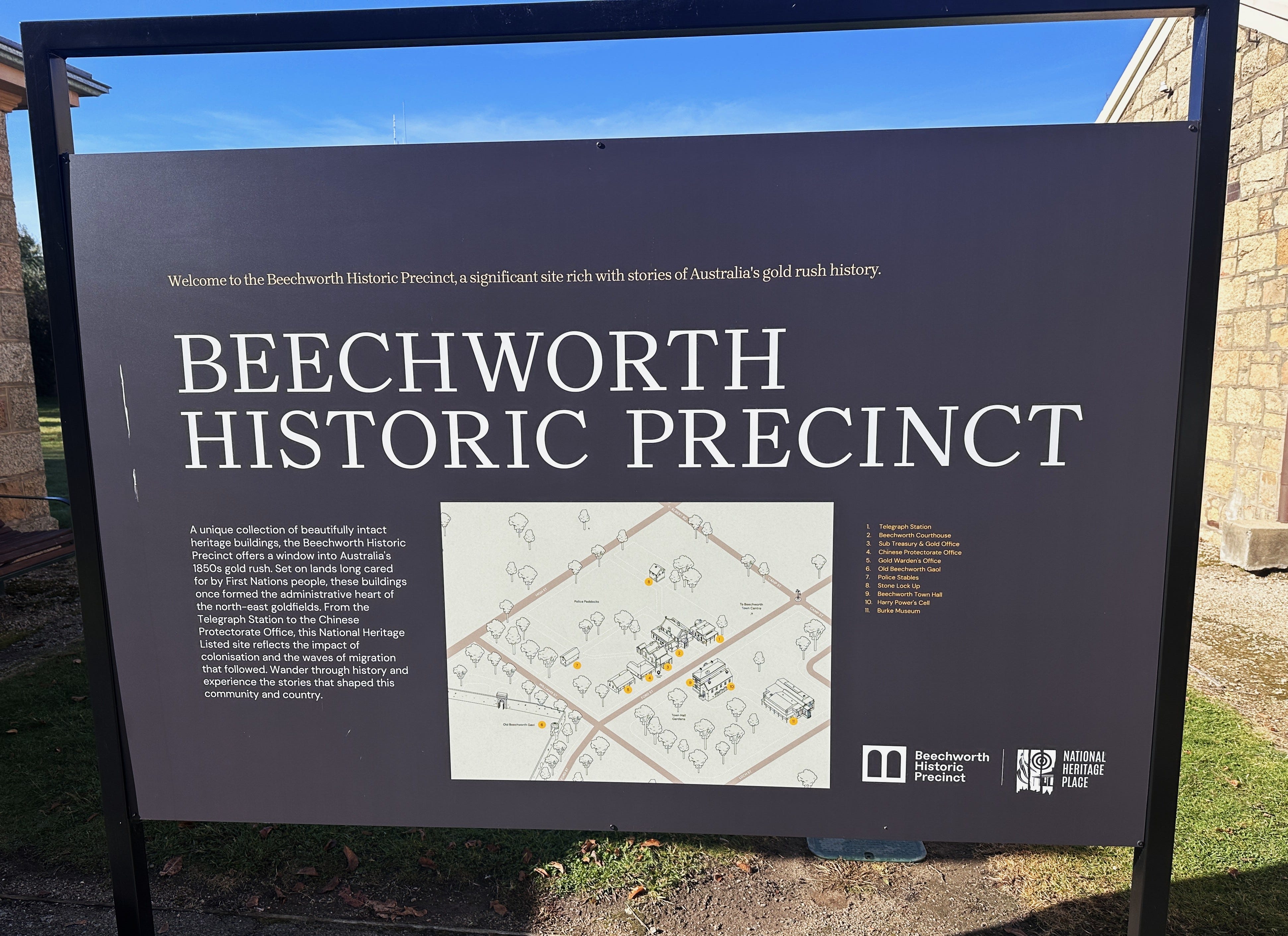
Historic Beechworth is also right around the corner, where you can visit the OBG (Old Beechworth Gaol), where Ned Kelly and some of his gang were held. Many trials were held here regarding Ned and his gang.
I seem to be following the Ned Kelly trail on my housesits in Victoria. 5 years ago, I was just outside of Glenrowan, where he was captured in 1880. Ned Kelly, Ned Kelly….what a legend for us down here.
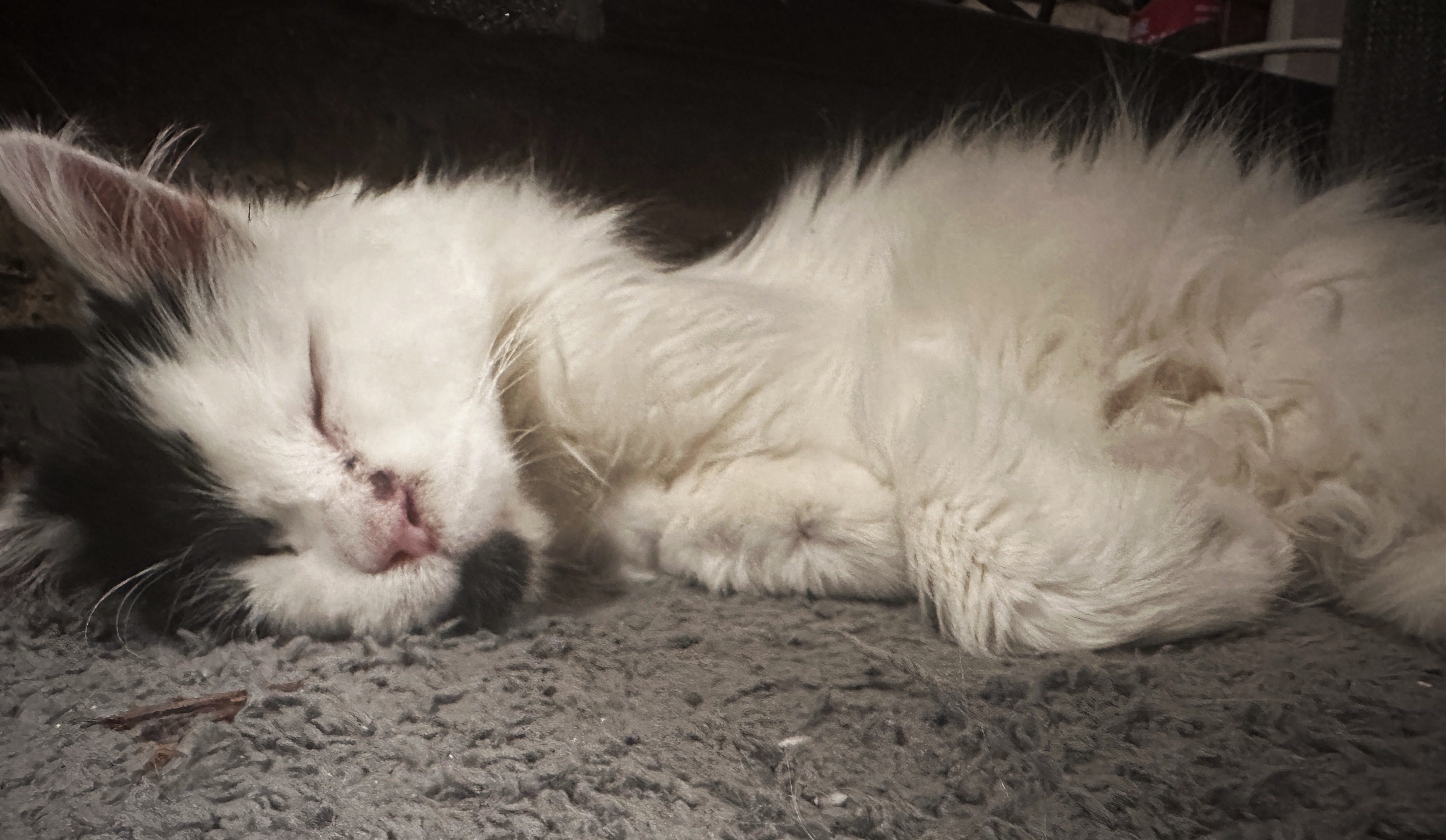
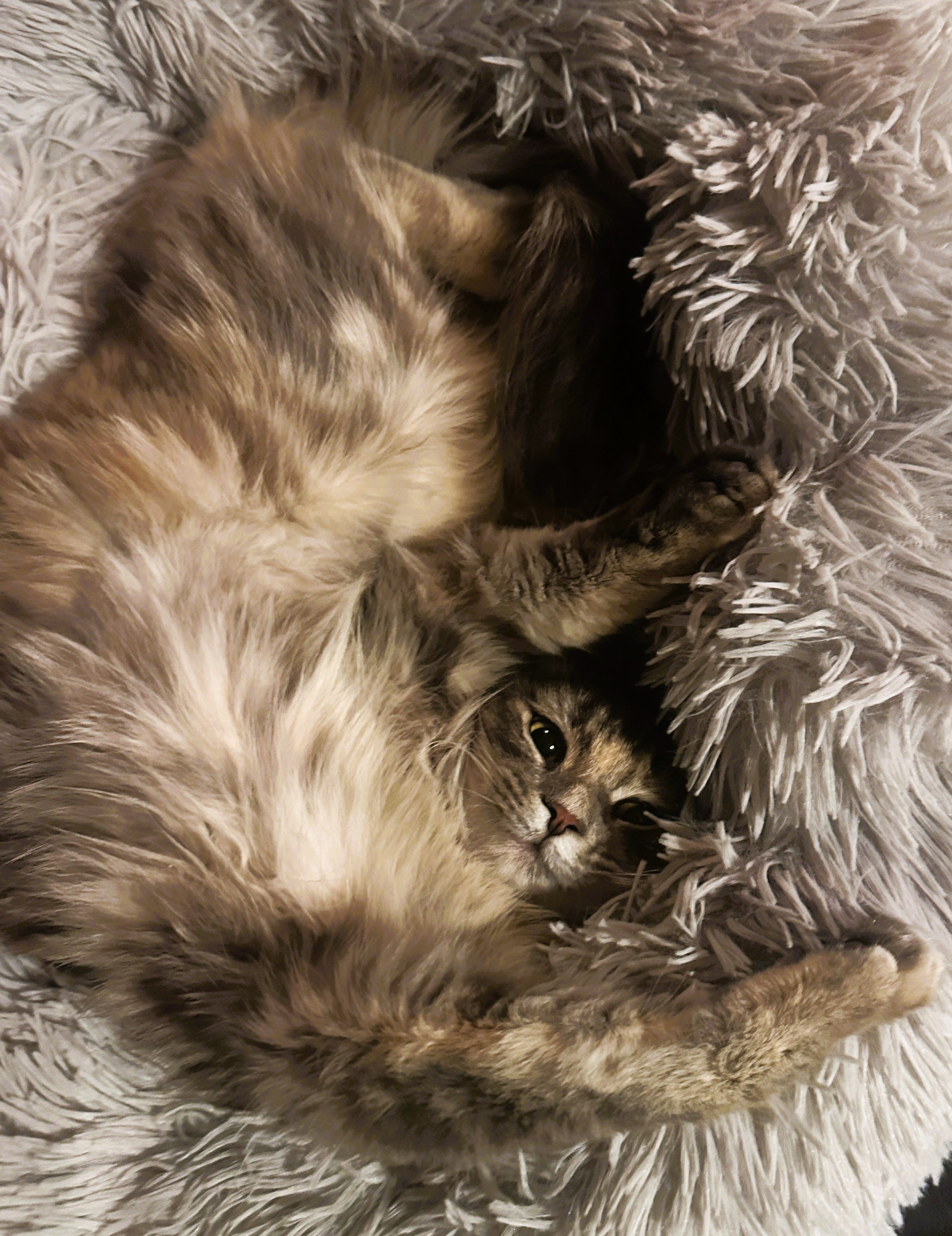
Rambo
Mota
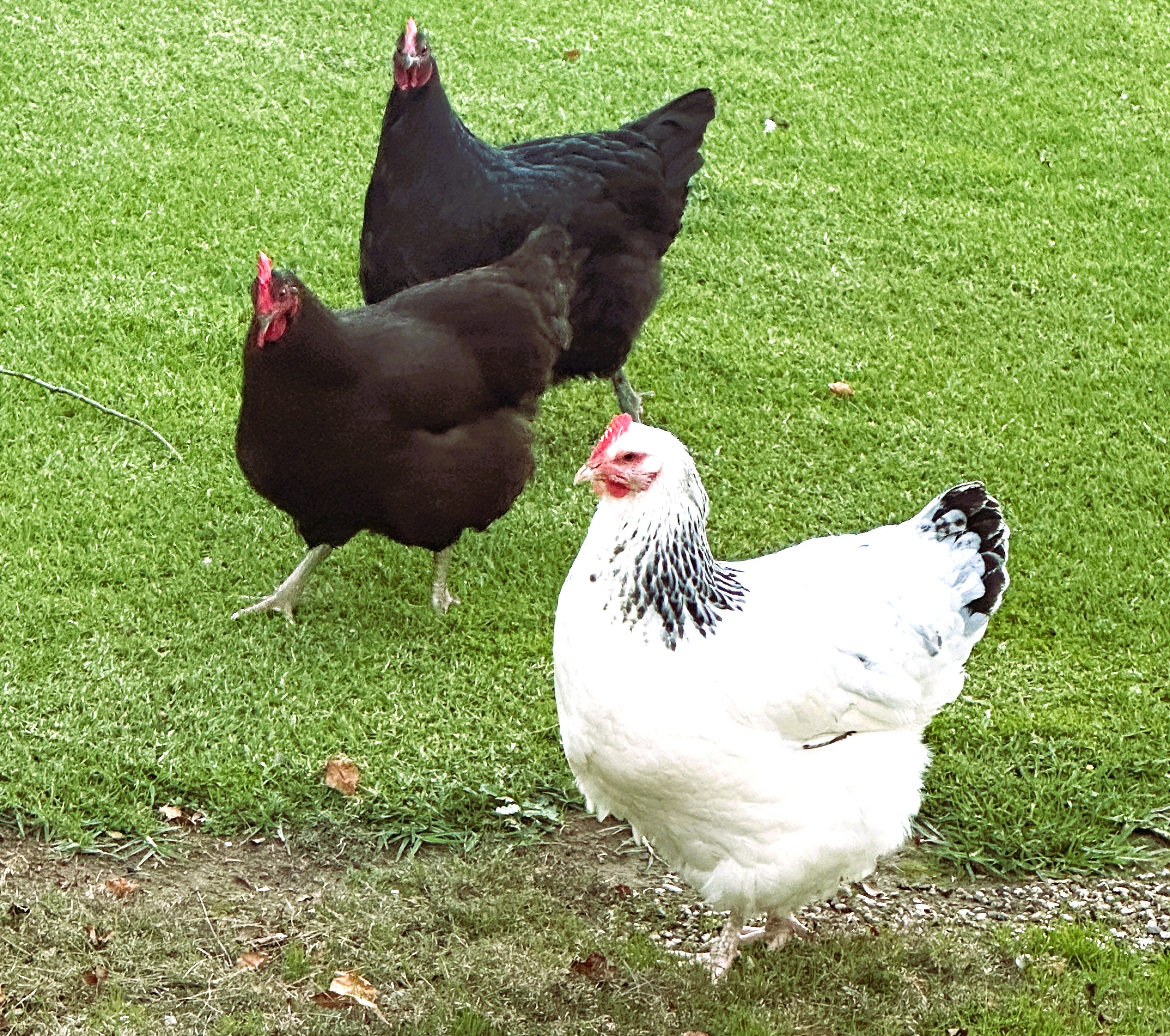
Rambo, Mota , Cordon Bleu, Nugget, and Deep Fried have enjoyed spending time with me. Rambo is 20 years old, and Mota is 7 months old. Beautiful cats. Rambo wears his Collingwood colours proudly.
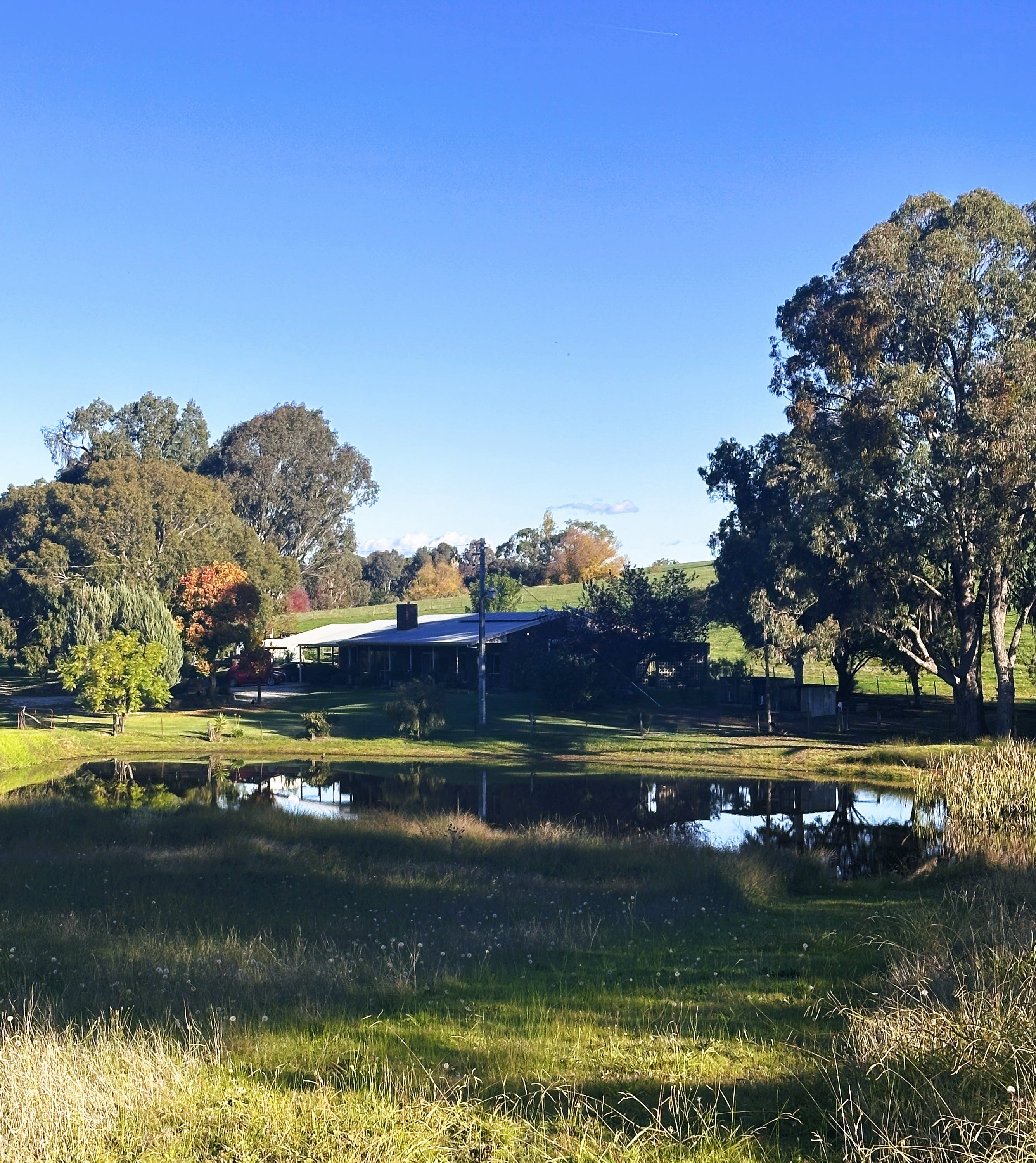
Emily and Luke’s Home
Leaving tomorrow. Will post some more about the countryside as I get to it.
I'm thankful for my country home It gives me peace of mind Somewhere I can walk alone And leave myself behind-Neil Young
Take A Step Outside My Inside is a reader-supported publication. To receive new posts and support my work, consider becoming a free or paid subscriber.